
Meera counts her withdrawals
Meera makes four deposits of ₹500. One evening she receives ₹800 in her bank account and saves the receipt. The receipt is genuine within this example, but it captures only the return. Her total deposits were ₹2,000. Subtract ₹800 and she is ₹1,200 down. Depositing another ₹1,200 would increase the money exposed without reversing the earlier loss.
Kabir is asked for an unlock fee
Kabir has paid ₹3,000. His screen shows a balance of ₹5,600, but no withdrawal has reached his bank. A chat contact asks for ₹900 to release it. Sending the extra fee would take his out-of-pocket payments to ₹3,900. The ₹5,600 remains an unverified display. He keeps the message and asks his bank about the transfers.
Try the same calculation on paper
Use only completed bank transactions. Add up payments to the service, subtract actual returns, and keep any disputed or reversed payments in a separate column. If you borrowed money, record that liability as well. Avoid trying to clear a past loss with a bigger bet.
How to report a suspected fraudulent payment.
Make a ledger you can check against the bank
Use a fresh line for each transfer. In the first column write the date, in the second the outgoing payment, in the third the amount credited back, and in the last the transaction reference. It is worth separating a pending debit from a completed one. If the bank later reverses a transaction, record that reversal beside the original transfer. Crossing out the first line can make it difficult to explain the sequence to a bank representative.
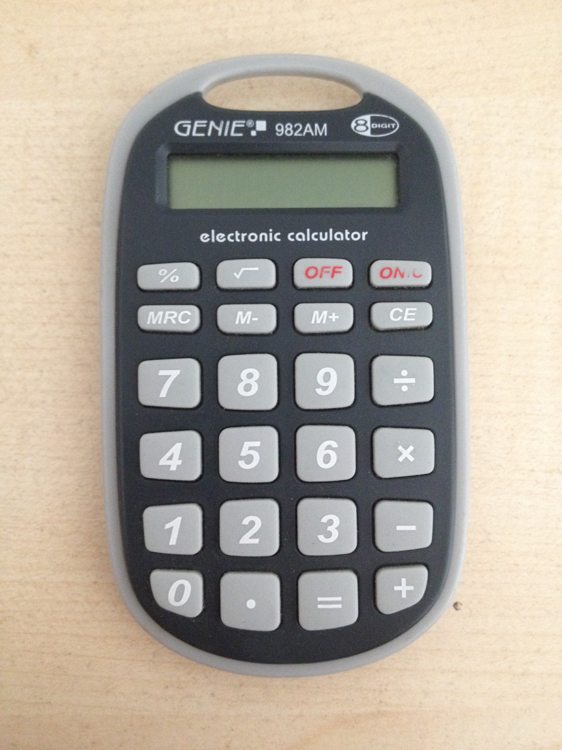
Consider a third fictional example. Aman sends ₹1,500 on Monday and ₹500 on Tuesday. On Wednesday his bank records a ₹700 credit. His net outflow is ₹1,300. His app shows a further ₹2,400 described as “available”. That display belongs in the notes column until the bank receives it. If ₹300 is later refunded, his net outflow falls to ₹1,000. These numbers are chosen for the calculation. They do not describe a real account or a reported case.
What if some of the money was borrowed?
If ₹1,000 of the initial ₹2,000 came from a friend, the ₹1,300 net outflow does not become ₹2,300. The borrowed ₹1,000 was a funding source for an outgoing payment already included in the total. Keep a separate record showing the friend is owed ₹1,000, with a date for any repayment. Interest and late charges, if they exist, also belong on their own lines. This lets a family discuss the bank balance and the debt without confusing the two.
Readers sometimes ask why newspaper figures cannot be checked in exactly this way. A newspaper may publish what a person reported to police without publishing their bank statements. That is why the Jajpur account and the Dadri account describe where the numbers came from. If an entry in your own statement is suspicious, preserve it and use the official reporting steps. A relative can use the family guide to help without taking control of your accounts.